






Why Getting Fuel Tank Hire Right Matters From the Start
Fuel storage looks simple until a project is mid-stream and something breaks down. The tank is the wrong size, the wrong type, or sitting in the wrong location. Delays mount. Refuelling runs pile up. The downstream costs of a poorly planned storage setup are rarely obvious until you are already dealing with them.
This piece covers the mistakes operations teams, site managers, and contractors most commonly make when arranging fuel tank hire, and what to do differently. Most of them are avoidable with a bit of planning and the right partner behind the supply.
Mistake 1: Choosing a Tank That Is Too Small for Daily Consumption
The most common issue in fuel tank hire is undersizing. Teams estimate based on current demand, forget that projects scale, and end up arranging emergency top-ups or back-to-back refuelling runs that disrupt the schedule.
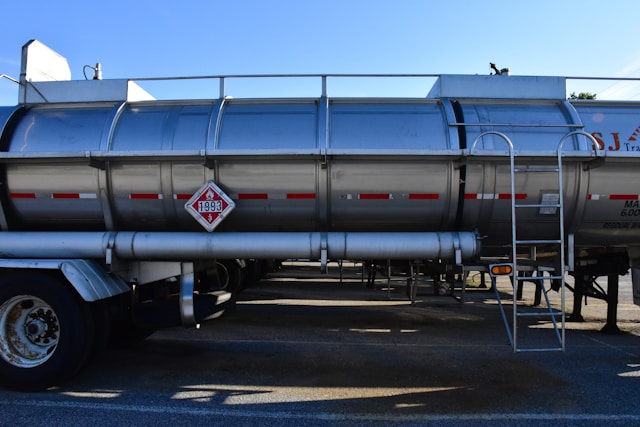
Before confirming any hire, map daily fuel consumption across all plant and equipment on site. Factor in planned scope increases, mobilisation periods, and any contingency buffer for high-demand days. A self-bunded cube in the 1,000L to 13,000L range may suit a compact or short-term site. Larger operations, or sites where supply runs are infrequent, typically need tanks from 12,000L up to 68,000L to keep operations uninterrupted.
Getting the sizing right from the start removes the hassle of mid-project changes and avoids additional mobilisation costs.
Mistake 2: Not Confirming Compliance Before the Tank Arrives on Site
Australia’s fuel storage requirements are regulated under AS1940, which covers the storage and handling of flammable and combustible liquids, and AS1692, which applies to steel tanks. Environmental protection authority requirements and state-based dangerous goods codes also apply in most contexts.
Many teams do not check compliance until a safety audit or an EPA inspection is already booked. Self-bunded tanks address a large portion of these requirements because the double-walled design contains internal spills and leaks without additional bunding infrastructure. But not all tank configurations are equal.
When arranging fuel tank hire, confirm AS1940 and AS1692 compliance before the tank lands. Ask specifically about the bund capacity, the fill point design, and any state-specific requirements for your location. Sorting this out before delivery is far easier than resolving it with equipment already on site.
Mistake 3: Treating Fuel Storage as a Fixed, Static Asset
Projects evolve. Worksites shift. What works in the early stages of a construction or mining project may not suit the back half of it. One of the practical advantages of fuel tank hire is flexibility, but many teams lock in a configuration at the start and leave it unchanged for the life of the project.
Self-bunded cubes can be relocated using appropriate lifting equipment as site layouts change. Low profile fuel trailers offer fully mobile storage for operations that move frequently. If your fuel setup needs to follow your equipment rather than anchor it in one corner of the site, the hire arrangement should reflect that.
Review your tank placement and configuration at each major project stage rather than treating the first setup as permanent.
Mistake 4: Overlooking the Consignment Option for Ongoing Operations
For businesses that run multiple projects simultaneously, or that hold diesel in their own yard for dispatch, the consignment model is often overlooked in favour of a straightforward hire. This is a missed opportunity.
National Tank Hire’s consignment arrangement holds tanks in your yard, ready for immediate use, with billing triggered only when a tank goes out on hire. There is no capital tied up in idle equipment and no scramble to source a tank at short notice when a project lands unexpectedly.
Teams managing large contractor fleets, hire yards, and multi-site operations should raise the consignment option early in any fuel tank hire conversation. It reduces lead times and keeps operational budgets predictable.
Mistake 5: Underestimating the Value of a Reliable Supply Partner
Fuel storage is not a commodity purchase. The tank is only part of the arrangement. Getting the right delivery lead time, access to clean equipment, a team that understands Australian Standards, and a supplier with national reach all matter on remote sites and in fast-moving project environments.
A supplier that knows how your industry works, whether that is construction, mining, power generation, agriculture, or event management, will flag issues you have not thought of. They will also have contingency stock available when a project scales suddenly or an emergency deployment is required.
National Tank Hire’s on-call contingency program is designed for exactly this. A low monthly fee reserves tanks against unforeseen demand. For teams where fuel supply interruption would be genuinely costly, it is worth factoring into the original fuel tank hire arrangement rather than looking for emergency options after the fact.
Mistake 6: Not Planning for Pump and Accessories Requirements
The tank is one part of a functioning fuel storage system. The pump kit, flow meter, nozzle type, hose length, and power source all affect how usable the setup is on site. Many teams hire the tank and then realise the pump configuration does not suit the equipment or the environment.
National Tank Hire supplies pump kits for diesel cubes including 240-volt electric options, diesel-driven pump kits for remote sites without power supply, and solar pump kits for off-grid operations. If your site has specific requirements, raise them at the enquiry stage rather than at delivery.
A good fuel tank hire provider will configure the complete setup before dispatch rather than leaving accessories as an afterthought.
Getting It Right From the Start
Fuel storage mistakes are rarely dramatic. They show up as friction: refuelling delays, compliance questions at the wrong moment, a tank that cannot be moved when the site layout changes. Most of them come down to planning decisions made before the equipment arrives.
National Tank Hire has been supplying self-bunded diesel tanks across Australia for more than 30 years, with a fleet from 1,000L cubes to 68,000L large-capacity tanks, plus trailers, dangerous goods stores, and pump solutions. Whether the project is urgent or upcoming, the team can advise on sizing, compliance, configuration, and consignment options.
If you are planning your next fuel tank hire, visit nationaltank.com.au or contact the team directly to discuss your project requirements.